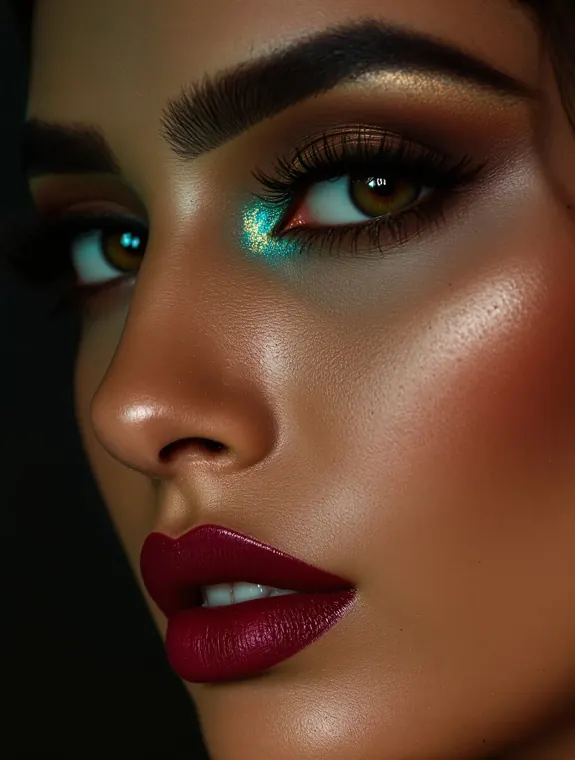
Short answer: AI product photography uses image-generation models to put your real product into new scenes, such as white-background packshots, lifestyle sets, macro details or a model's hands, starting from photos you already have. For brands that need a steady flow of catalog and ad visuals, it is usually faster and more flexible than booking a studio, as long as someone is checking that the product stays accurate.
Why Pakistani brands are switching
Online selling in Pakistan runs on volume. Instagram and TikTok reward fresh posts, Meta ads tire out within weeks, and marketplaces like Daraz need clean images for every SKU. A traditional shoot gives you one set of images from one day. Every new colourway, season or ad test means booking again: photographer, studio, props, models, makeup, retouching and the waiting in between.
AI production changes the maths. Once your product is photographed clearly, it can be placed in a new scene in hours rather than weeks. That matters most for small and mid-sized brands launching frequently, testing many ad creatives, or selling in categories where styling sells the product: beauty, jewellery, footwear, bags, watches, fragrance and home.
What you can make with AI product photography
- Marketplace packshots on white or neutral backgrounds.
- Lifestyle scenes: vanity tables, cafés, desks, living rooms, outdoor light.
- Detail and macro shots for texture, stitching and finishes.
- In-hand and on-model frames with skin tones and styling that match your customer.
- Seasonal campaigns for Eid, Ramadan, wedding season, 11.11 and Black Friday.
- Ad variations: the same product in five settings so you can test which one sells.
What drives the cost
Prices vary a lot between freelancers, generic AI apps and studios, so it helps to know what you are paying for. The main cost drivers are:
- Number of products. Each product has to be prepared, checked and corrected individually.
- Images per product. One packshot is quick; a full set with lifestyle, detail and on-model frames takes longer.
- Product complexity. Reflective metal, transparent glass, fine jewellery and dense embroidery need more correction to stay accurate.
- Creative direction. Planned scenes that match your brand cost more than random backgrounds, and perform better.
- Ongoing vs one-off. Monthly retainers are cheaper per image than single projects because the brand look is already set up.
A useful way to compare is cost per usable image, not cost per project. A cheap app that produces ten images where only two look like your product is not cheap. For our current packages see NAZAR pricing.
How the process works
- Product photos. You send clear, evenly lit photos of the front, back and key details. Phone photos are fine if they are sharp and the colours are true.
- Creative plan. The studio proposes scenes, angles and crops based on where the images will be used.
- Generation and correction. AI creates the scenes; retouchers fix logos, labels, hardware and colour.
- Accuracy check. Every frame is compared with the original. Anything that changes the product is redone.
- Delivery. Files in every size you need: 1:1 for the feed, 4:5 for ads, 9:16 for Stories and Reels, plus marketplace sizes.
When a traditional shoot is still better
AI is not the answer to everything. Book a real shoot when you need a specific person (a brand ambassador or celebrity), a real event, or behind-the-scenes content where authenticity is the point. Very fine jewellery and products where tiny details are the selling point also benefit from at least one real macro shot as a reference. The strongest approach for most brands is hybrid: one real shoot for hero imagery, then AI to multiply it into hundreds of on-brand assets through the year.
How to choose an AI product photography studio
- Ask to see before and after examples: the source photo next to the final image.
- Check that logos, text and patterns are correct in their portfolio, not blurred or invented.
- Ask who checks product accuracy and what happens when a frame is wrong.
- Make sure you get the formats you need for each platform.
- Prefer a studio that understands ads and conversion, not just pretty pictures.
You can see our before-and-after work in the NAZAR case studies, or read more about our AI product photography service.
Frequently asked questions
Is AI product photography legal to use for ads in Pakistan?
Yes, you can use AI-generated images of your own products in ads. Make sure the product is shown accurately, since misleading images can break platform ad policies and consumer protection rules. Meta and TikTok may also require AI-generated content to be labelled in some cases.
Can I use phone photos for AI product photography?
Yes, if the photo is sharp, evenly lit and the colours are accurate. Avoid strong shadows, filters and busy backgrounds.
How long does AI product photography take?
With a clear brief, first images usually arrive within one to three days. Large catalogs are delivered in batches.
Is AI product photography cheaper than a photoshoot?
For volume content (catalogs, ad variations and seasonal sets) it is usually cheaper per usable image, mainly because there is no studio, crew or reshoot cost. For a single hero image, a traditional shoot can be comparable.